
A guide for retail business owners looking to increase revenue with highly wearable pieces.
Retailers often search for the perfect formula to keep customers coming back for more. The secret lies in offering products people can use daily. When a boutique stocks pieces that blend seamlessly into a morning routine, those items move fast. A solid inventory of wholesale fashion jewelry gives store owners the flexibility to offer stylish, durable, and affordable options.
Shoppers want accessories they can put on without a second thought. They seek comfort, durability, and a look that pairs just as easily with a business blazer as it does with a weekend t-shirt. Focusing on high-rotation items allows jewelry businesses to secure steady sales and build lasting trust with their clientele.

What Makes Jewelry an Everyday Wear Piece?
Creating a successful inventory starts with understanding the end user. What makes a ring or necklace suitable for a trip to the grocery store and a boardroom meeting? It comes down to practical design and material choices. Everyday accessories must survive the daily grind. They have to withstand hand washing, typing, commuting, and occasional accidental snags.
Recent retail data show that the global fashion accessories market is projected to surpass $ 60 billion by 2030, driven largely by consumer demand for versatile, everyday items. Customers want pieces they rarely have to take off. When business owners source wholesale fashion jewelry, they must prioritize specific traits to guarantee customer satisfaction.
-
Hypoallergenic materials: People wear these items for hours on end. Skin-friendly metals like stainless steel or sterling silver prevent irritation and keep buyers happy.
-
Smooth profiles: Prongs and sharp edges catch on sweaters and hair. Bezel settings and flush designs offer comfortable, snag-free wear.
-
Lightweight construction: Heavy earrings stretch the earlobes and cause headaches. Solid but light chains prevent neck fatigue during long work shifts.
-
Neutral color palettes: Classic metals and clear stones match any outfit in a closet. This ensures the piece works for a Monday morning meeting and a Sunday afternoon brunch.
How to Build a Jewelry Collection Around Everyday Wearability
Curating a line that flies off the shelves takes strategy. Store buyers must select items that appeal to modern, busy consumers. How do you choose the right pieces? You look for balance. The goal is to provide style without sacrificing functionality. Here are the most effective strategies for putting together a winning assortment.
#1 Focus on Minimalist Core Pieces
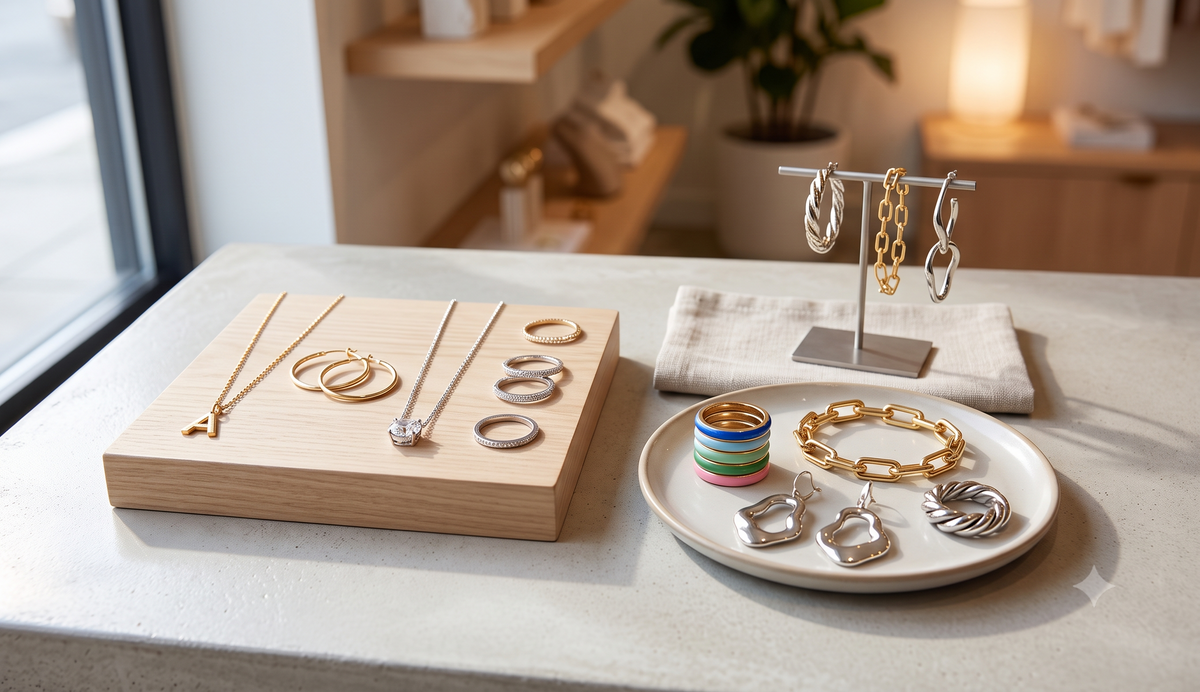
Every great jewelry box starts with basics –minimalist pieces. Think of simple stud earrings, thin chain necklaces, and plain band rings. These items serve as the foundation of any outfit. When a shopper looks for reliable accessories, they gravitate toward minimalism. Businesses should allocate a large portion of their buying budget to these steady sellers. Sourcing reliable wholesale fashion jewelry in minimalist styles guarantees inventory that never goes out of season.
#2 Prioritize Durability in Fastenings
A beautiful necklace becomes useless if the clasp breaks on day two. Every day wear puts stress on clasps, jump rings, and earring backs. Retailers must inspect the hardware of the items they buy. Lobster clasps offer better security than traditional spring rings. Secure friction backs keep studs in place during gym workouts and busy commutes. High-quality findings mean fewer returns and higher customer trust.
#3 Encourage Layering and Stacking
Modern buyers love customization. They enjoy mixing and matching thin rings or layering delicate chains to create a unique look. Offering stackable pieces allows businesses to naturally increase their average order value. A customer might come in for one ring but leave with three because they look fantastic grouped together. You can display these items pre-layered on your mannequins to show shoppers how easily they blend.
#4 Offer Mixed Metal Options
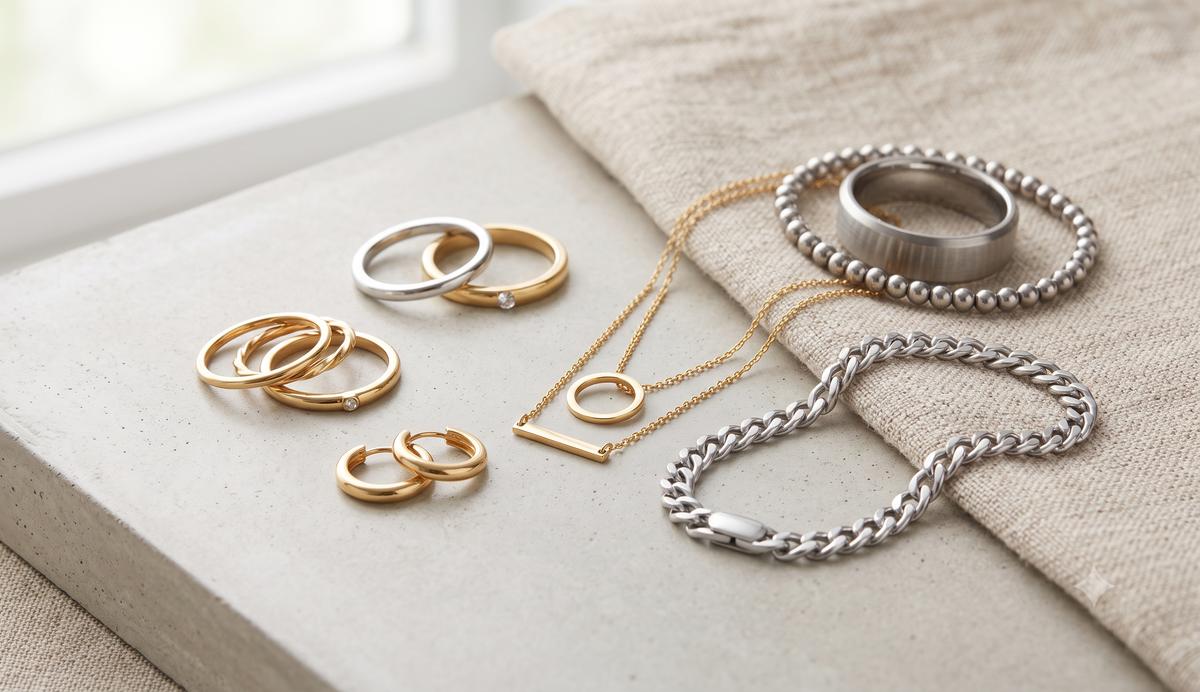
The old rule of matching all metals is gone. Today's consumer mixes gold, silver, and rose gold with total confidence.Two-tone pieces act as a bridge for shoppers who want to blend their existing collection. Stocking items that feature different intertwined tones gives buyers more reasons to say yes. It provides maximum versatility for their daily wardrobe and reduces hesitation when making purchases.
#5 Choose Low-Maintenance Stones
Sparkle always sells well. However, daily items need stones that resist chipping and clouding over time. Cubic zirconia and simulated diamonds offer a brilliant shine and hold up perfectly to daily handwashing. Bezel-set stones sit flush against the skin. This protects the gem and keeps it looking fresh for months of continuous wear.

Comparing Everyday vs. Occasion Jewelry
Providing the right items means knowing the difference between everyday wear and special-event pieces. Stocking the right ratio prevents dead inventory. Here is a quick breakdown to guide your purchasing decisions.
|
Feature |
Everyday Jewelry |
Special Occasion Jewelry |
|
Design Profile |
Subtle, flush, minimal |
Bold, large, statement-making |
|
Weight |
Very light for all-day comfort |
Often heavier, meant for short-term wear |
|
Materials |
Stainless steel, sterling silver |
Plated brass, oversized glass crystals |
|
Sales Turnover |
Fast, consistent, year-round |
Seasonal and event-driven |
|
Buyer Intent |
Personal daily use, casual gifts |
Weddings, parties, formal events |
How to Source the Best Pieces for Your Store
Knowing what to buy is just the first step. Finding the right suppliers ensures a store stays profitable. Business owners need partners who deliver consistent quality and stay ahead of retail trends. How do you spot a good vendor? Look for transparency in materials and a track record of reliable shipping. When a retail shop stocks up on wholesale fashion jewelry, it is investing in its brand's reputation.
Consider the packaging and presentation as well. Items that ship in tarnish-resistant bags save time during inventory processing and keep the product pristine. Good suppliers offer detailed product descriptions, making it easier for boutique owners to write their own online listings. Strong partnerships lead to steady inventory flow, which keeps customers returning and sales climbing.
How to Market Daily Wear Jewelry
How do you convince a shopper that a simple chain is worth buying? You show them the value of cost per wear. If a customer spends $30 on a necklace they wear 300 days a year, the daily cost is pennies. Boutique owners can use social media to demonstrate this concept visually. Show a model wearing the same hoop earrings with gym clothes, office attire, and a dinner outfit.
Visual proof drives sales. Create bundles and matching sets in your store. Group a pair of studs, a simple chain, and a stacking ring into a "Weekend Starter Kit." This simplifies the decision-making process for the buyer. The demand for reliable fashion jewelry continues to grow because consumers want effortless style. Marketing these items as time-saving essentials can meet modern shoppers' needs.
Frequently Asked Questions
Q: What are the most popular everyday jewelry pieces?
A: Simple huggie hoops, delicate pendant necklaces, and thin stacking rings consistently top the sales charts. These items offer supreme comfort and blend seamlessly with absolutely any wardrobe. Customers love them because they rarely interfere with daily tasks and remain lightweight from morning until night.
Q: How can retailers test new daily wear styles?
A: Start with small batch orders. Buy a limited run of a new minimalist design and feature it right near the checkout counter. Monitor how fast the items move before committing to a larger volume order of wholesale fashion jewelry. This approach keeps your inventory fresh and minimizes purchasing risks.
Q: Why do customers prefer stainless steel for daily wear?
A: Stainless steel resists water, sweat, and tarnishing. It provides incredible durability for people with active lifestyles and requires almost zero maintenance compared to softer metals. It is also hypoallergenic, making it a safe and comfortable choice for shoppers with sensitive skin.
Q: How should a store display everyday accessories?
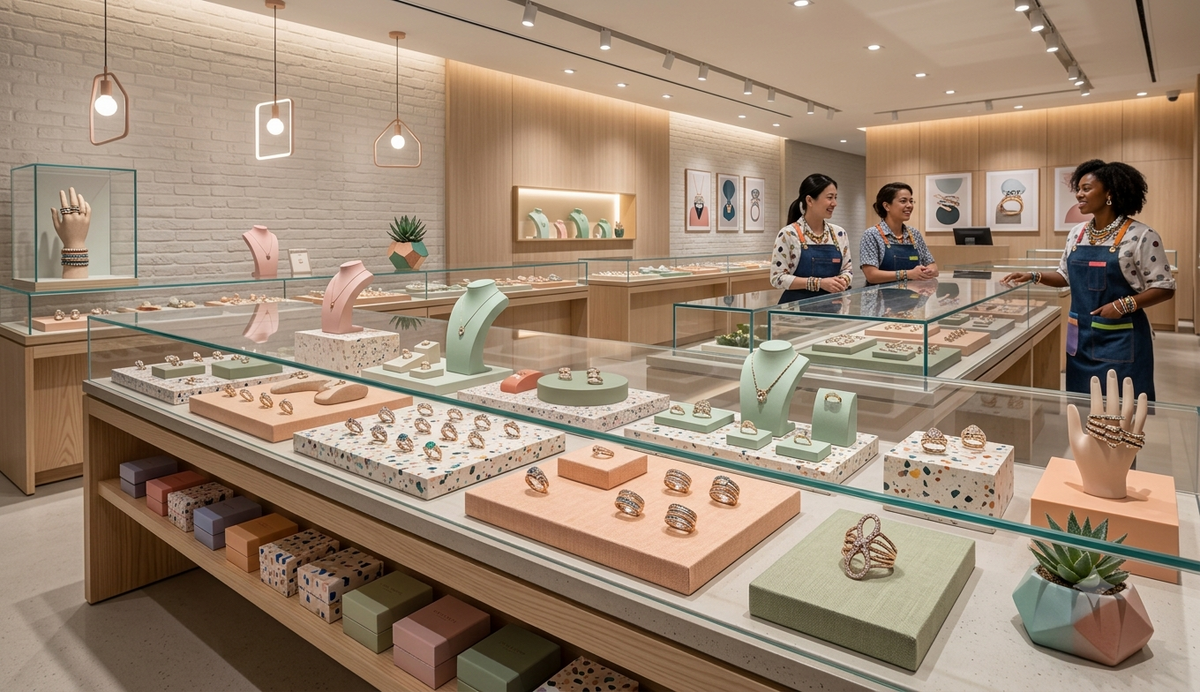
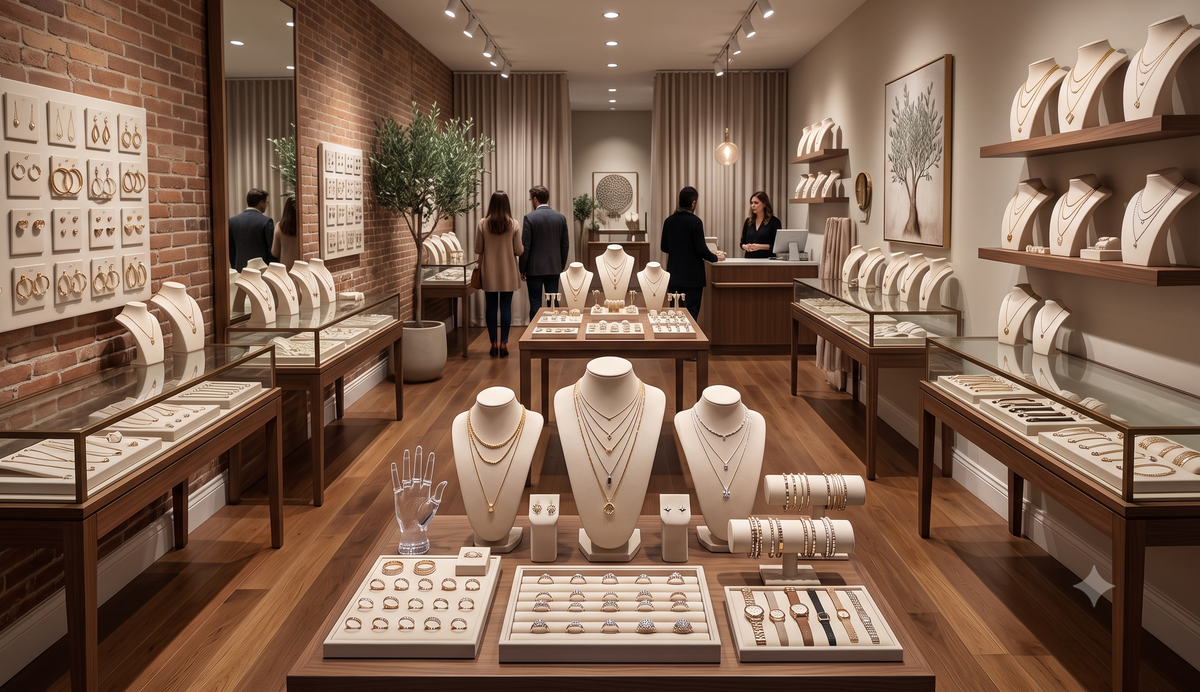
A: Group them by metal color and style to create a clean, cohesive look. Use well-lit, uncluttered display cases. Show necklaces pre-layered on a velvet bust to give customers instant styling inspiration. Arranging items in sets naturally encourages shoppers to buy multiple matching pieces at once.
Q: How often should a boutique restock everyday basics?
A: Because everyday items sell consistently year-round, store owners must monitor their inventory levels weekly. Core basics like plain studs, thin bands, and simple chains move incredibly fast. Set up a regular ordering schedule with your supplier to ensure you never run out of your most reliable sellers.
Q: Do customers buy everyday jewelry as gifts?
A: Yes, absolutely. Minimalist, daily-wear pieces make excellent gifts because they fit almost everyone's personal style. Shoppers feel highly confident buying simple hoops or basic chains for friends and family because these items easily match any existing accessory collection.
Q: What ring sizes move the fastest for daily wear styles?
A: For the US market, sizes 6, 7, and 8 remain the most common for standard ring fingers. However, since stacking rings are highly popular for everyday wear, stocking smaller sizes like 4 and 5 helps capture customers looking to decorate their upper fingers. Offering a wide size range guarantees you capture every possible sale.
Q: How do I educate buyers on caring for daily wear pieces?
A: Include a small, beautifully printed care card with every single purchase. Remind shoppers to quickly wipe their items with a soft microfiber cloth after a long day. Suggest storing the accessories in a dry box or pouch. Simple, helpful care instructions show excellent customer service and build long-term buyer trust.
Final Thoughts
Creating a reliable inventory stream requires attention to detail and a solid understanding of consumer habits. Shoppers want accessories that make their mornings easier. They look for items they can put on and forget about, knowing they still look great. Retailers who focus on comfort, durability, and classic designs will see a steady increase in repeat business and overall revenue.
Focus on high-quality findings, skin-friendly metals, and versatile designs. Keep the purchasing strategy simple and customer-focused. Stock the basics, encourage layering, and listen to buyer feedback. When business owners balance practical functionality with appealing style, they create a product catalog that generates steady revenue throughout the entire year.