
Smart Strategies For Boutique Owners To Increase Sales And Build Customer Loyalty
The global accessories market is growing incredibly fast, creating amazing possibilities for small business owners who want to carve out their own successful niche. While massive corporate operations dominate the low-cost market, independent store owners can easily thrive by offering unique value that massive corporations cannot replicate. Understanding how to navigate this competitive landscape is the first step toward long-term profitability.
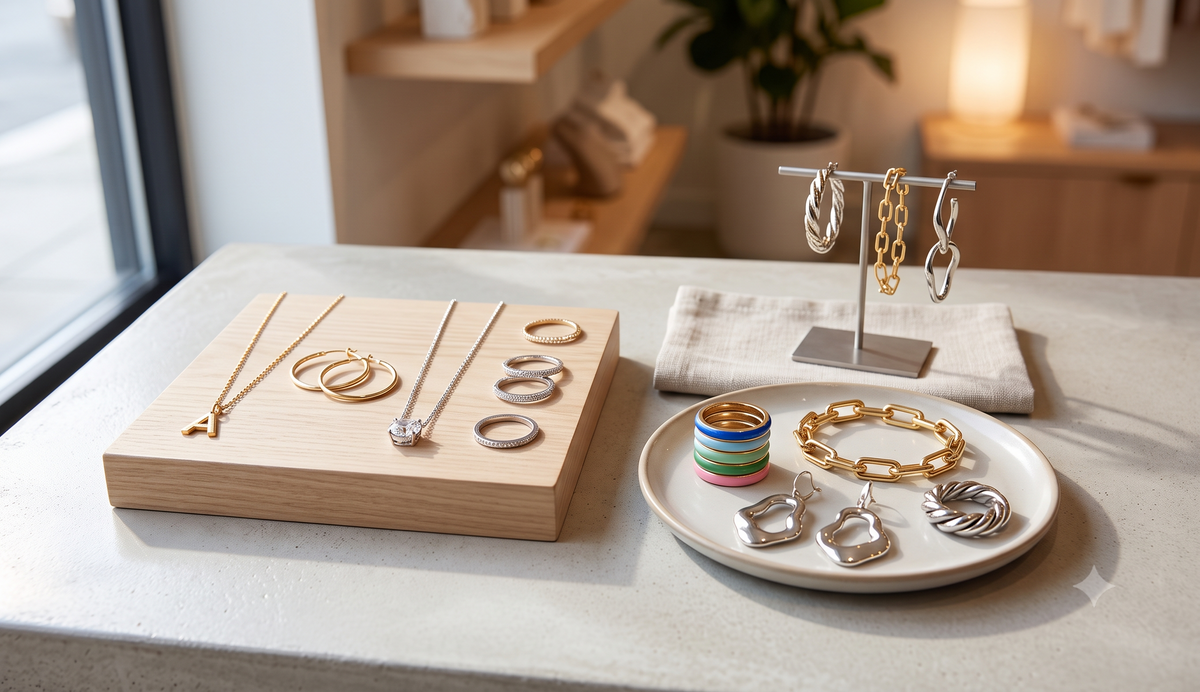
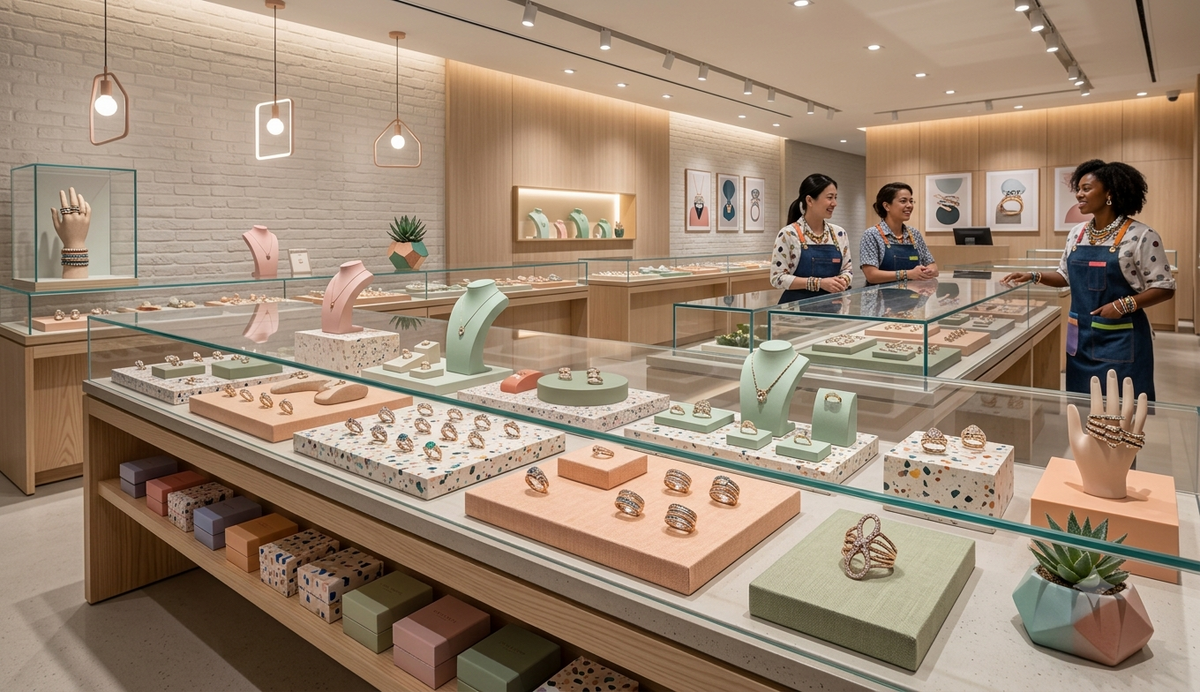
Boutique owners can build a dedicated customer base by focusing on curation, storytelling, and exceptional product standards. Sourcing high-quality wholesale fashion jewelry offers small retailers the perfect balance of affordability and distinctiveness, helping them stand out in a crowded marketplace. Success in this industry does not require competing on rock-bottom prices, but rather on the overall experience and value you provide to your community.

Top Three Trending Fast Fashion Brands in The US
To compete effectively, small business owners must understand who they are up against in the current retail climate. The market features several massive names that move products from design to digital storefronts in a matter of days. These companies rely on high-volume production, aggressive algorithms, and rock-bottom prices to attract young consumers.
-
Shein: This digital giant dominates the low-cost market by launching thousands of new accessory items daily. They rely heavily on micro-influencer partnerships to capture the attention of Gen Z shoppers who crave instant gratification.
-
Temu: Operating as a massive online marketplace, this platform connects consumers directly with manufacturers. Their ultra-low pricing strategy draws in bargain hunters who prioritize cost savings over product longevity.
-
Lovisa: Unlike purely digital platforms, this brand maintains a massive physical retail footprint in malls across the United States. They specialize in translating high-end runway trends into affordable plated metal items within weeks.
How Small Retailers Can Compete With Fast Fashion Jewelry Brands
Small businesses possess unique advantages that corporate giants can never match, such as agility, community connection, and authentic human interaction. While mega-brands focus on moving millions of units, independent retailers can win by focusing on the individual customer experience.
You do not need a multi-million dollar marketing budget to build a highly profitable jewelry boutique. Instead, success comes down to smart strategic positioning and understanding your target audience's deepest desires. Here are the most effective ways your boutique can outmaneuver the corporate giants.
#1 Prioritize Exceptional Product Quality and Material Safety
One of the biggest weaknesses of mass-produced accessories is the lack of durability and material safety. Many consumers are tired of rings that turn fingers green after two days or earrings causing allergic reactions. Small boutiques can capture these frustrated shoppers by offering pieces made from hypoallergenic materials like stainless steel, sterling silver, or brass with gold plating.
Partner with a reliable wholesale fashion jewelry supplier to ensure that your inventory meets high safety and durability standards. When you confidently tell customers that your items are lead-free and nickel-free, you build instant trust. This creates long-term value that keeps customers coming back because your products last.
According to industry reports from Business Research Insights, the global fashion jewelry market is projected to reach $189.44 billion in 2026, proving that demand for affordable style remains massive. Provide superior quality at accessible price points to claim a profitable share of this market.
#2 Craft Compelling Brand Stories and Emotional Connections
People do not just buy jewelry because it looks pretty; they buy it because of how it makes them feel. Mass production lines cannot offer a personal touch or an emotional backstory. Your small business can stand out by creating a cohesive narrative around your collections. Share your journey on your website and social media channels. Explain why you chose specific styles for your shop.
When customers understand the passion behind your boutique, they form an emotional attachment to your brand. They stop looking at your items as mere metal and glass and start seeing them as meaningful additions to their personal style. This connection allows you to command higher prices than corporate competitors because people gladly pay more for a brand that resonates with their values.
#3 Leverage the Power of Social Commerce and Community Building
Modern shoppers love buying directly from their favorite social media feeds. Data fromBusiness Research Insights shows that more than 60% of Gen Z shoppers in the United States purchased fashion jewelry through social media platforms recently. Small retailers can use this trend to their advantage by hosting live shopping events on Instagram, TikTok, or Facebook.
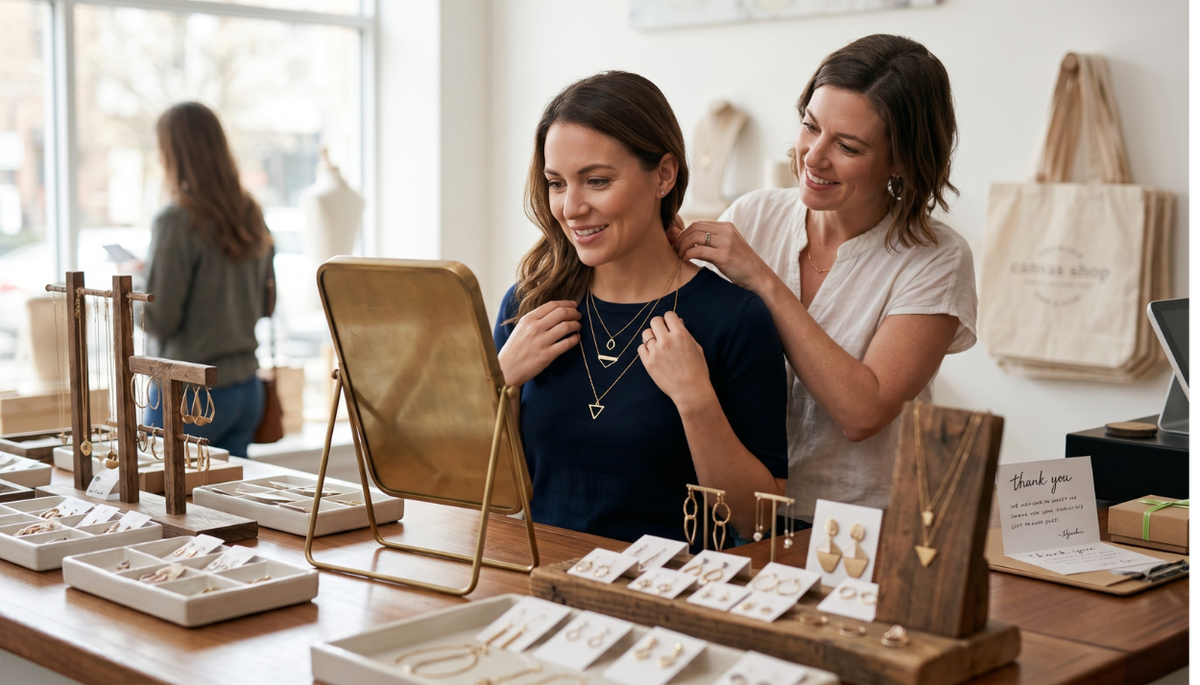
These live streams allow you to interact with your audience in real time, answer questions about sizing, and show how the pieces look when worn. This interactive experience creates a sense of community that massive websites can never replicate. You can speak directly to your audience, call them by name, and offer styling advice on the spot, building strong customer loyalty.
#4 Focus on Curated Collections Rather Than Endless Scrolling
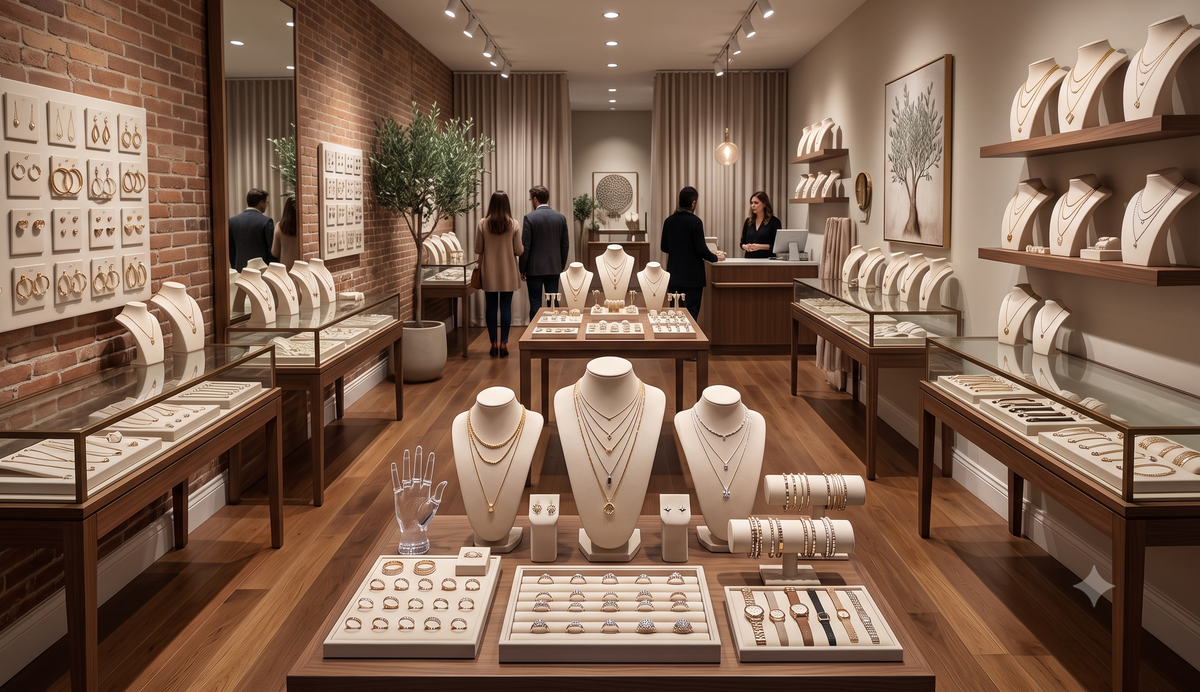
Massive online marketplaces often overwhelm shoppers with hundreds of thousands of options, leading to decision fatigue. Your boutique can solve this problem by offering beautifully curated capsule collections. Instead of listing every single style available, select a thoughtful assortment that works harmoniously together.
For instance, you can introduce a summer getaway collection featuring bright stone necklaces and stackable rings. This makes the shopping experience breezy and enjoyable. When you curate your inventory using trendy wholesale fashion jewelry, you save your customers time by doing the trend-hunting for them. They trust your eye for style, which simplifies their purchasing decisions and frequently leads to larger order values because the pieces pair together beautifully.
#5 Introduce Customization and Personalization Options
Personalized items are incredibly popular because they allow consumers to express their unique identity. A report from Adina Eden highlights that personalized nameplates, initial charms, and birthstone designs are driving the biggest jewelry trends in 2026. Massive fast fashion corporations struggle to offer real-time personalization due to their rigid mass-production models.
Small retailers can easily fill this gap. You can offer initial charm necklaces where customers choose their own combinations or birthstone rings that represent family members. Providing these personalized options makes your products deeply meaningful, making them perfect for gifts. Since shoppers value the effort that goes into customized pieces, they are happy to pay a premium, which helps increase your average transaction value.
#6 Lean Into Sustainability and Sourcing Transparency
Modern consumers are increasingly aware of the environmental impact of their shopping habits. Many people actively want to walk away from throwaway fashion culture. Small boutiques can win over eco-conscious shoppers by practicing transparent sourcing. Share information about how your items are made and where they come from. Highlight items made from recycled metals or sustainably sourced crystals.
Industry insights reveal that around 35% to 40% of new fashion jewelry launches utilize recycled or conflict-free materials to satisfy this growing consumer demand. When you stock your store with high-grade wholesale fashion jewelry built for longevity, you promote a sustainable style of consumption. This shows that you care about quality over quick corporate profits.
#7 Provide a Memorable Unboxing Experience
The customer journey does not end when someone clicks the buy button; the physical delivery is a major part of the experience. Fast fashion giants usually ship items in plain plastic baggies inside standard mailers. Small retailers can create a magical moment by investing in beautiful packaging.
Use branded boxes, soft pouch inserts, and a handwritten thank-you note to show your appreciation. You can even include a small care guide card that explains how to keep the metal looking shiny. This beautiful presentation feels like a special gift, encouraging customers to share their unboxing moments on social media. This user-generated content acts as free word-of-mouth marketing, attracting new shoppers to your boutique without adding to your advertising budget.
Strategic Comparison: Small Boutiques vs. Fast Fashion Chains
To help you visualize where your small business can outshine large corporate operations, let us break down the core differences in strategy. Focusing on these specific areas allows you to maximize your operational strengths.
|
Feature |
Small Independent Boutiques |
Fast Fashion Jewelry Giants |
|
Product Lifecycle |
Long-lasting items meant for multi-season wear |
Short-lived items that tarnish or break quickly |
|
Customer Interaction |
Highly personalized service and live style advice |
Automated chatbots and generic support tickets |
|
Curation Method |
Thoughtfully selected capsule collections |
Overwhelming catalogs with endless scrolling |
|
Material Quality |
Lead-free, nickel-free, and hypoallergenic metals |
Cheap base alloys often causing skin reactions |
|
Packaging Appeal |
Branded boxes with handwritten thank-you notes |
Clear plastic factory bags inside poly mailers |
|
Sourcing Value |
Built on reliable wholesale fashion jewelry partnerships |
Reliant on extreme low-cost mass production lines |
Independent retailers possess a clear advantage when it comes to quality and connection. While giant corporations chase massive transaction volumes, your boutique can focus on building high customer lifetime value. Smart store owners rely on high-grade wholesale inventory to provide beautiful designs without sacrificing the product integrity that keeps shoppers loyal. This strategic focus ensures your business grows steadily over time.
Frequently Asked Questions
Here are direct answers to the most common questions new jewelry business owners ask when building their brands.
Q: How can I justify charging higher prices than fast fashion brands?
A: You can justify higher prices by highlighting your superior material quality, skin-safe components, and unique curation. Modern consumers willingly pay more for accessories that do not tarnish or cause skin irritation. When you explain the care behind your collections, shoppers view your products as valuable investments. Beautiful packaging and excellent service further justify the premium experience.
Q: What are the best ways to market my jewelry boutique on a budget?
A: Focus heavily on social media marketing and organic community building. Host interactive live shopping sessions on platforms like Instagram or TikTok to showcase your products in real time. Create short videos showing how to layer different necklaces or style various rings for a workday look. Encourage your existing customers to post photos of their purchases, and reward them with small discounts on future orders to drive word-of-mouth growth.
Q: How often should a small retailer introduce new jewelry styles?
A: Instead of adding items daily like massive corporations, aim to launch curated collections every four to six weeks. This timeline keeps your digital storefront feeling fresh and exciting without overwhelming your operations or your customers. Tie your launches to changing seasons or holidays to give your marketing campaigns a clear, engaging focus.
Q: Can sustainable practices really help increase my boutique sales?
A: Yes, prioritizing sustainability attracts a rapidly growing audience of eco-conscious shoppers. Many consumers actively seek retailers who avoid low-quality, throwaway products. Offering durable pieces and using minimal, eco-friendly packaging materials aligns your business with these positive consumer values, building incredible loyalty.
Final Thoughts
Building a profitable jewelry brand requires shifting your focus away from low-cost competition and toward high-value experiences. Small retailers can easily capture a loyal customer base by offering superior product quality, memorable presentation, and authentic community connections. Your business can build a lasting retail presence that mass-production lines can never replace. Focus on your unique strengths, connect deeply with your audience, and watch your boutique thrive.