
Learn how feedback can help small jewelry retailers stock smarter and sell better.
Sourcing wholesale fashion jewelry for your jewelry business takes more than just picking styles you think will sell. The truth is, your customers already hold the answers to what your next bestsellers could be. Their feedback, spoken, written, or shown through purchasing behavior, can help you plan your 2026 fashion jewelry inventory with confidence.
Instead of relying on gut feel or copying competitors, using customer insights allows you to make data-driven decisions that keep your shelves stocked with pieces people actually want to buy.
So how can you use customer feedback to plan your next collection and ensure strong sales next year? Let’s talk about how feedback works, why it matters, and how to turn it into a solid inventory strategy.

Why Customer Feedback Matters to Small Jewelry Sellers
Customer feedback is the heartbeat of every successful jewelry business. For small retailers, it’s especially valuable because it gives real, firsthand insight into what’s working and what’s not. Every review, return, and social media comment tells a story about your products and your customers’ preferences.
When you sell fashion rings, for example, feedback might show trends that data alone can’t reveal. Maybe customers love minimalist stackable rings during summer but switch to bold cocktail rings during the holidays. Or perhaps they prefer adjustable bands over fixed sizes for convenience. These insights can guide your buying decisions before you order new stock from your wholesale supplier.
Feedback Helps Build Customer Loyalty
Listening to your customers also builds trust. According to HubSpot’s 2024 State of Customer Experience Report,77% of consumers say they stay loyal to brands that ask for and act on feedback. This shows that engagement doesn’t just improve products; it strengthens relationships.
Showing that you care about what your customers think to create a shopping experience that feels personal. When shoppers see that their favorite styles return, or new arrivals reflect their preferences, they’re more likely to become repeat buyers and even advocates for your store.
Feedback Reveals Hidden Sales Drivers
Sometimes, what customers say about your jewelry isn’t just about looks. They might talk about comfort, quality, or versatility. For example, one retailer discovered through surveys that customers preferred hypoallergenic materials over flashy designs. That insight led to a shift in sourcing nickel-free fashion rings, which improved satisfaction and reduced returns.
Paying attention to subtle comments like “too heavy,” “scratches easily,” or “fits perfectly” helps identify areas where you can refine your next inventory order. It also keeps your store’s offerings fresh, current, and aligned with customer expectations.
5 Tips for Analyzing Seasonal Performance and Plan Smarter for 2026
Customer feedback doesn’t mean much without proper analysis. Once you’ve collected enough data from reviews, surveys, and social media, the next step is to interpret what it all means for your inventory planning.
#1 Track Feedback Across Channels
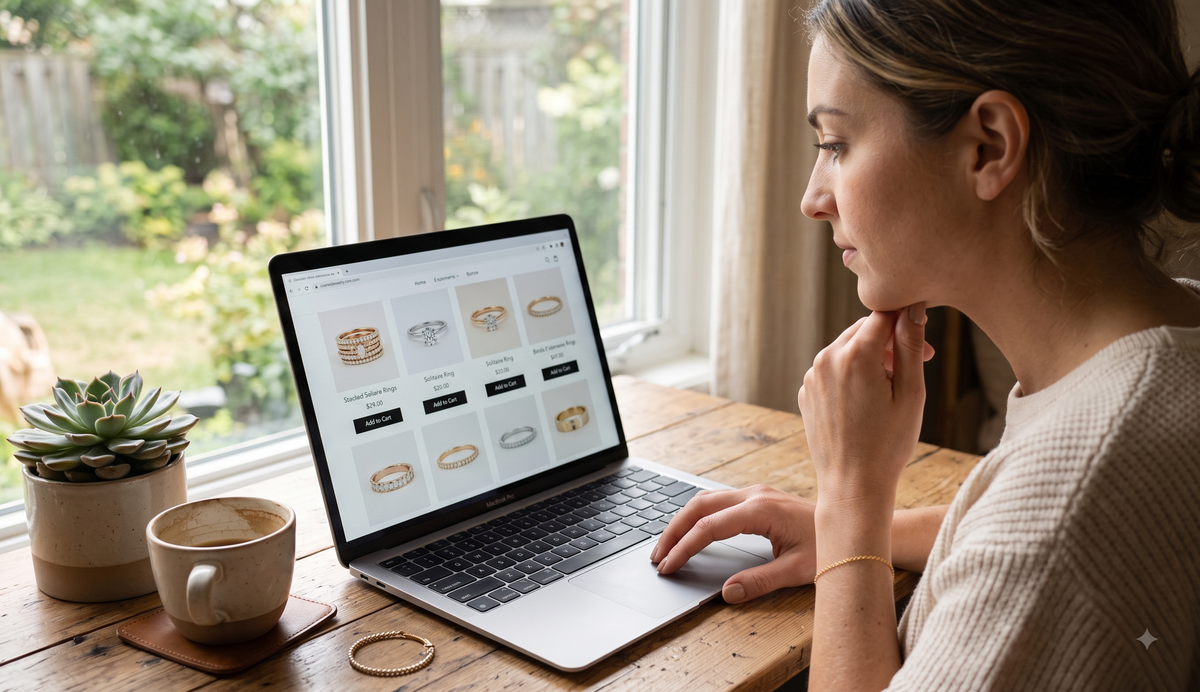
Start by gathering feedback from multiple sources, including your online store reviews, direct messages, social media comments, and post-purchase surveys. Tools like Google Forms, Typeform, or your eCommerce platform’s built-in analytics can make this easy. Group the feedback into themes: design, price, quality, comfort, and delivery experience.
Spotting patterns to identify what truly drives purchases. For instance, if your customers repeatedly praise your chocolate-plated designs but comment on fading color over time, you’ll know to source higher-quality plating next time.
#2 Compare Seasonal Sales Data
Pair feedback with your past sales reports. Look at your top-performing jewelry styles for each season in 2024 and 2025. Which ones sold out quickly? Which ones lingered in stock?
According to a 2025Statista report, U.S. jewelry sales peak between November and February, with nearly 35% of annual purchases happening during the holiday season. This means demand patterns can change drastically depending on the time of year.
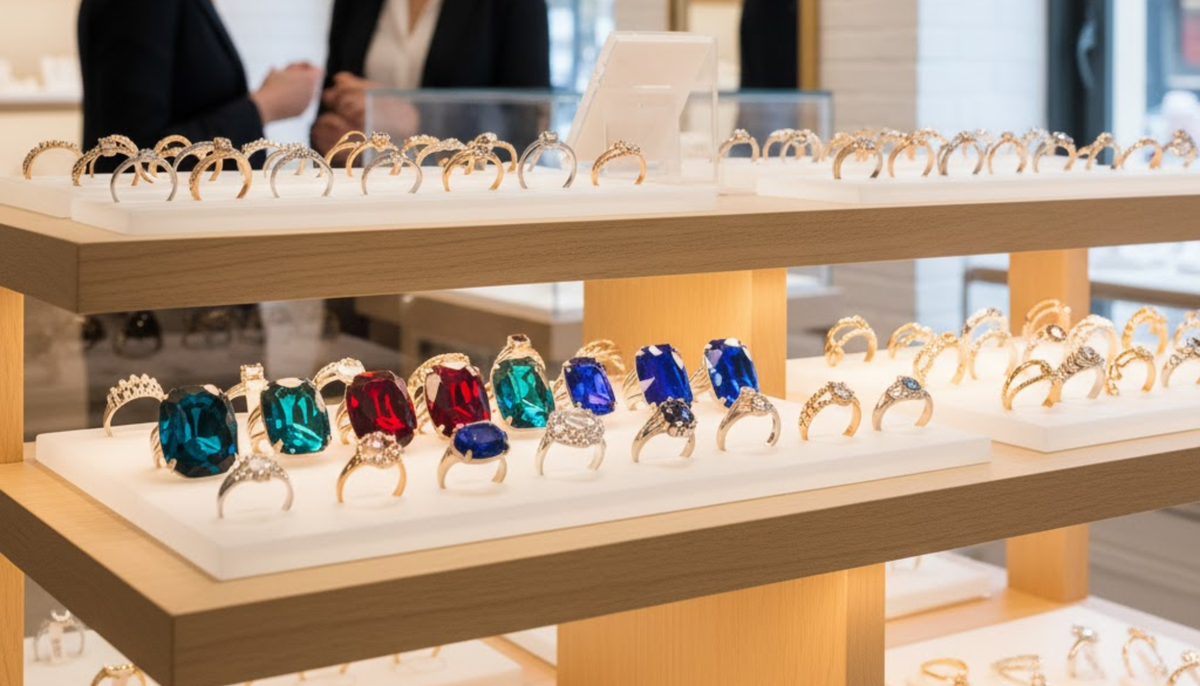
If minimalist styles performed better in spring but statement pieces dominated winter, use that insight to shape your 2026 wholesale fashion jewelry buying schedule. Consider ordering lighter, stackable designs for warmer months and gemstone-studded or intricate pieces for year-end festivities.
#3 Create a Customer-Focused Forecast
Instead of guessing trends, create an “inventory wishlist” based on feedback-driven demand. This can include:
-
Most requested designs: Styles customers have repeatedly asked for
-
High-rated materials: Metals or stones with consistent positive reviews
-
Improvement opportunities: Common complaints to address in new stock
For example, if you notice customers often mention that minimalist earrings make great gifts, plan to carry more design options before Valentine’s Day or Mother’s Day. This customer-centric approach ensures your inventory reflects real buying intentions.
#4 Reward Feedback with Action
Once you act on your feedback findings, tell your customers about it. Announce updates such as, “Thanks to your feedback, we’re bringing back our most-loved rose gold rings!” This creates a loop of engagement and encourages more people to share opinions in the future.
Brands that close the feedback loop are more likely to see a boost in customer retention. For small jewelry sellers, this can translate into more repeat purchases and fewer risks when introducing new designs.
#5 Blend Data with Creativity
While data is essential, don’t lose your creative touch. Jewelry buying still involves emotional decisions. So, while customer insights guide you toward what’s popular, you can still experiment with unique color accents, seasonal packaging, or curated sets that surprise and delight shoppers.
A balance between analysis and artistry keeps your store fresh. Think of customer feedback as your compass, and your creative instincts as the steering wheel. Together, they lead your business in the right direction.

Extra Tips for Turning Feedback into Growth
Aside from planning your 2026 inventory, feedback can help you refine other areas of your business too:
-
Improve product descriptions: If customers mention that certain jewelry pieces looked different in person, enhance your photos or add more accurate size references.
-
Train your sales team: Use reviews to identify common customer concerns so your team can answer them more confidently.
-
Refine marketing messages: Highlight product features customers appreciate most, like “lightweight comfort” or “nickel-free finish.”
Each small improvement contributes to better customer satisfaction and higher conversion rates.
Final Thoughts
Planning your 2026 fashion jewelry inventory doesn’t have to feel like a guessing game. When you use customer feedback as your guide, you’re basing your decisions on proven insights rather than assumptions. Every review, like, and sale is a clue pointing toward what your customers value most.
For small jewelry retailers sourcing wholesale fashion jewelry for the upcoming year, this approach means fewer unsold items, smarter investments, and happier shoppers. By combining real feedback with seasonal sales data, you can create collections that truly resonate with your audience.
The best part? Listening costs nothing, but it can lead to your most profitable year yet.