
A guide for retailers when sourcing wholesale fashion rings for the holiday shopping season.
The holiday season is a critical period for jewelry retailers, and how you set prices for your products can make or break your profit margins. When sourcing wholesale fashion rings, you’re not just looking for eye-catching designs; you’re also deciding how to position your pieces in a way that attracts customers while maximizing returns.
The right pricing strategy blends math with psychology, ensuring your rings appeal to shoppers’ holiday mindset while still giving your business healthy margins.

In this guide, we’ll break down the holiday shopping season, discuss practical markup strategies, and share lesser-known tips that experienced retailers use to keep their sales strong and competitive.
Understanding the Holiday Shopping Season
Every year, U.S. consumers spend billions during the holiday rush, and jewelry always takes a top spot on gift lists. In fact, the National Retail Federation (NRF) projection for total retail returns during the 2024 winter holidays was $890 billion, with jewelry listed among the fastest-growing categories. This means demand is strong, but so is the competition.
Timing also plays a big role. Early shoppers begin as soon as October, spurred by sales events like Prime Day and early Black Friday promotions. Last-minute shoppers, on the other hand, often pay less attention to price and more to convenience, making them ideal customers for well-priced impulse buys like fashion rings.
For jewelry retailers, this means having your inventory ready by October and adjusting prices along the way. You may need one pricing strategy for pre-holiday sales events and another for the high-traffic weeks in December.
5 Wholesale-to-Retail Markup Strategies
When sourcing wholesale fashion rings, your markup determines your profit. But the strategy isn’t one-size-fits-all. Here are tried-and-true approaches that can help:
#1 Standard Keystone Markup
This is the classic formula: double the wholesale cost. For example, if you purchased a ring for $10, you retail it at $20. It’s simple, reliable, and easy for new business owners to calculate. However, keystone pricing may leave room for competitors to undercut you during sales-heavy months, so flexibility is key.
#2 Keystone Plus
Some retailers add an additional 10% to 20% on top of keystone during high-demand seasons. If a wholesale ring costs $12, you might price it at $26 instead of $24. The extra margin can help cover holiday promotions, advertising, or packaging upgrades.
#3 Category-Based Markup
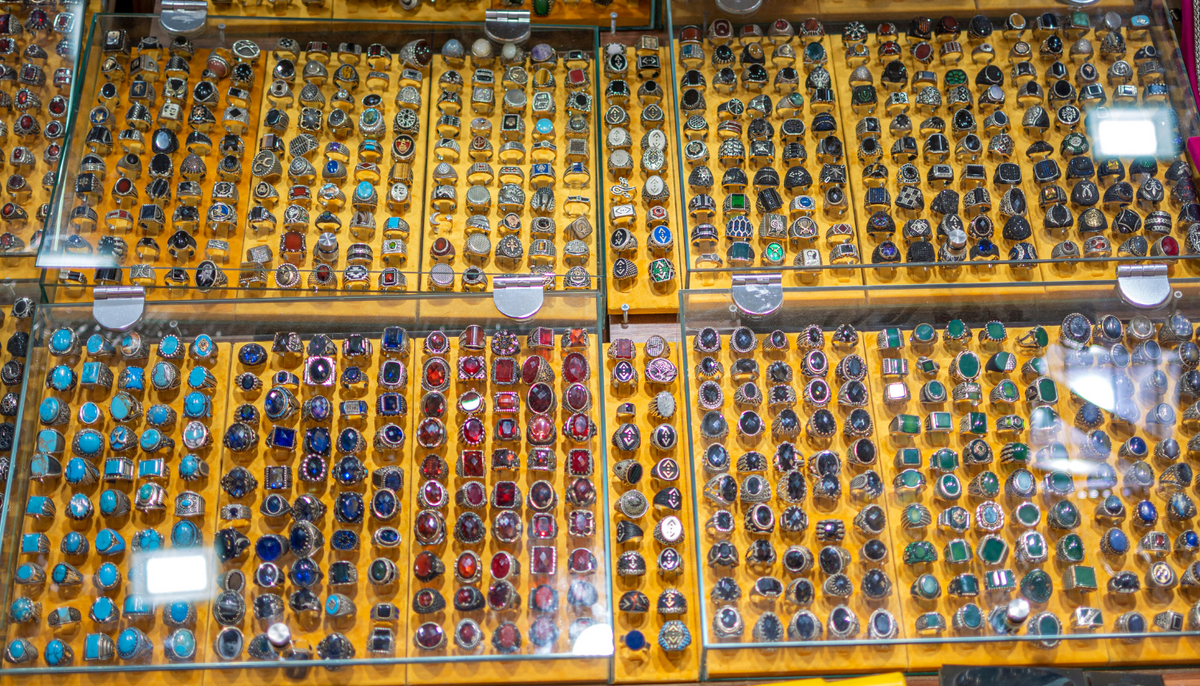
Not every ring should be marked up the same way. Fashion rings with intricate designs or trending elements, like chunky crystals or adjustable bands, can carry a higher markup. Meanwhile, simpler band-style rings might work better with a modest markup to attract budget-conscious shoppers.
#4 Psychological Pricing
Shoppers don’t just look at price tags; they respond emotionally. Pricing a ring at $24.99 instead of $25 feels more affordable. Bundling two rings for $45 can also encourage buyers to purchase more, especially when gifting is involved.
#5 Value-Added Pricing
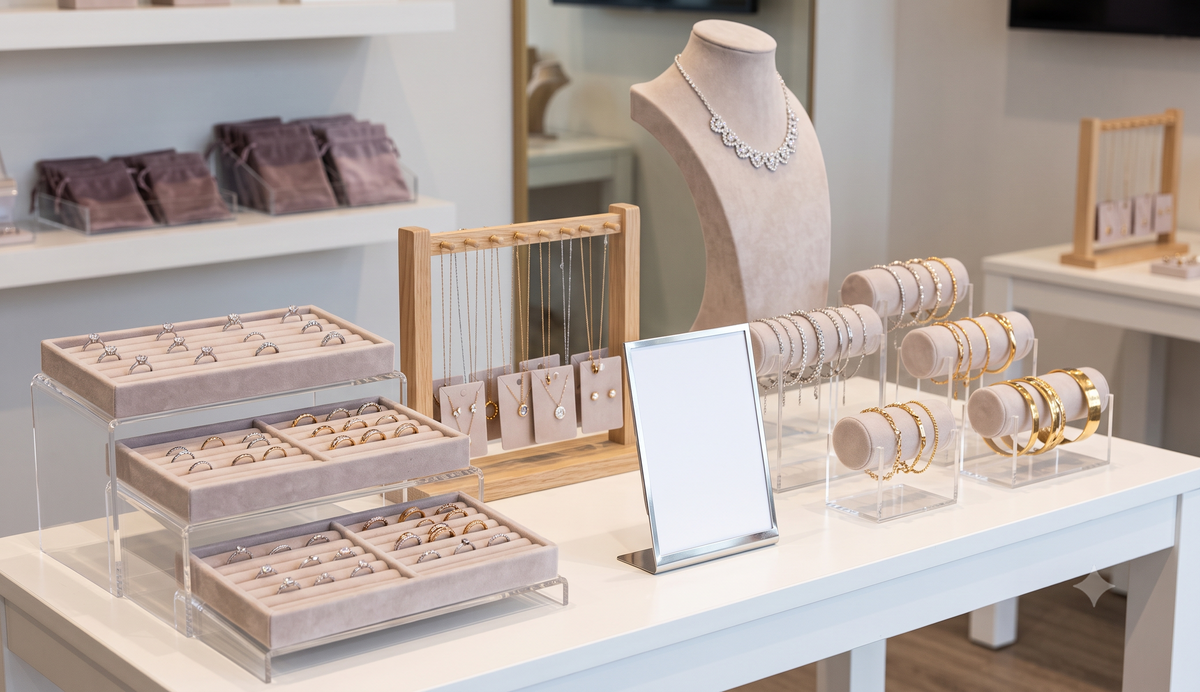
Consider the extras you offer. If you provide gift-ready packaging, free shipping, or care instructions, you can justify higher prices. During the holidays, many buyers are willing to pay more for convenience and presentation.
Timing Your Discounts and Promotions
Holiday pricing isn’t only about setting the right retail price upfront. It’s also about knowing when to run discounts. Some retailers make the mistake of slashing prices too early, but research shows most U.S. shoppers still plan to do the bulk of their buying in late November and December.
-
Early November: Introduce small discounts to attract early buyers.
-
Black Friday/Cyber Monday: Offer competitive sales to bring in bulk orders.
-
Mid-December: Focus on bundling deals rather than steep discounts.
-
Last-Minute Shoppers: Raise prices slightly or keep them steady, as urgency often outweighs cost concerns.

Tracking Competitors Without Losing Your Edge
Keeping an eye on competitors is smart, but avoid racing to the bottom. If another store sells a similar ring at $19, and you’re at $22, you don’t need to drop your price immediately. Instead, highlight the value of your rings through better presentation, customer service, or bundle deals.
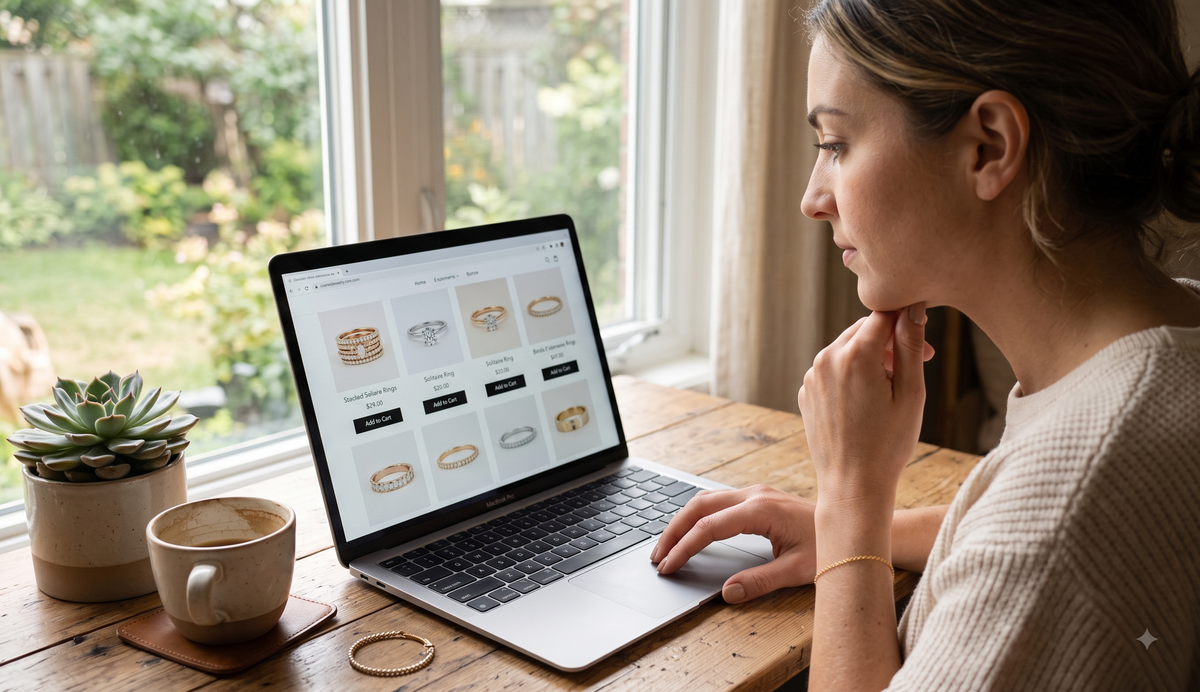
Tools like Google Shopping and Etsy search can help you quickly scan average prices for similar items. This allows you to confirm whether your pricing strategy keeps you competitive without sacrificing margin.
Using Seasonal Trends to Justify Pricing
Holiday shoppers are highly influenced by trends. For instance, TikTok drove significant jewelry sales in 2024, with viral trends pushing items like chunky statement rings and birthstone-inspired designs into the spotlight. If you have trend-focused pieces in stock, you can confidently price them higher because shoppers expect demand to be strong.
On the flip side, timeless classics like plain silver bands or minimalist rings may not command the same premium during the holidays, but they sell steadily as affordable gift options. This balance between trend-driven and staple items allows you to price your entire collection strategically.
Factoring in Operational Costs
Many new jewelry business owners forget to factor in the hidden costs of doing business. Packaging, shipping, returns, and even seasonal advertising can eat into margins if you don’t account for them upfront. Before setting final prices, list all expenses connected to a single ring, from wholesale cost to delivery fees.
A simple formula to follow:
Wholesale Cost + Operational Costs + Desired Profit = Retail Price
This ensures that even if you offer discounts, you’re not dipping into your profits.
Building Long-Term Value Beyond the Holidays
While holiday pricing can drive quick sales, think long-term. Offering loyalty discounts, collecting customer emails, or providing gift cards can help you turn one-time holiday shoppers into repeat customers.
Pricing smartly and making their shopping experience smooth can increase the chances they’ll come back for Valentine’s Day, Mother’s Day, and beyond.
Final Thoughts
When sourcing wholesale fashion rings, pricing is more than just adding a markup. It’s about understanding the holiday shopping mindset, aligning your inventory with trends, and balancing profitability with customer satisfaction. Using smart markup strategies, factoring in timing, and paying attention to value can maximize your profits while keeping your customers happy.
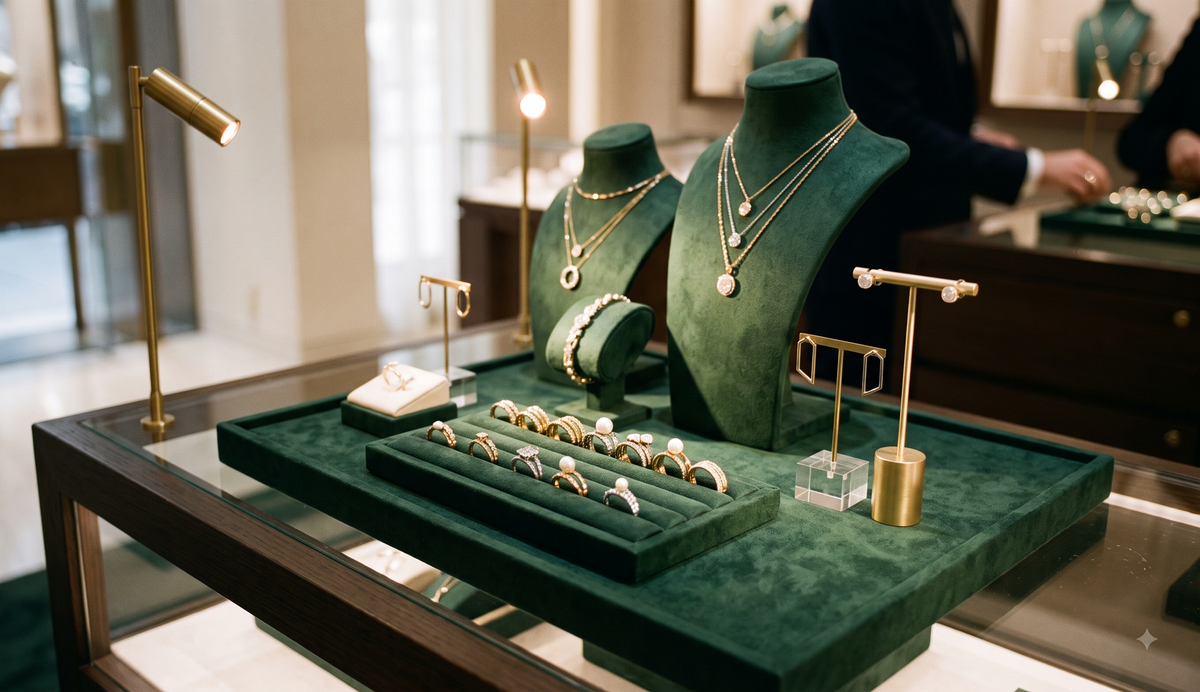
With the right approach, your holiday season sales can shine just as brightly as the rings in your display cases.